Cart
0
You may also like
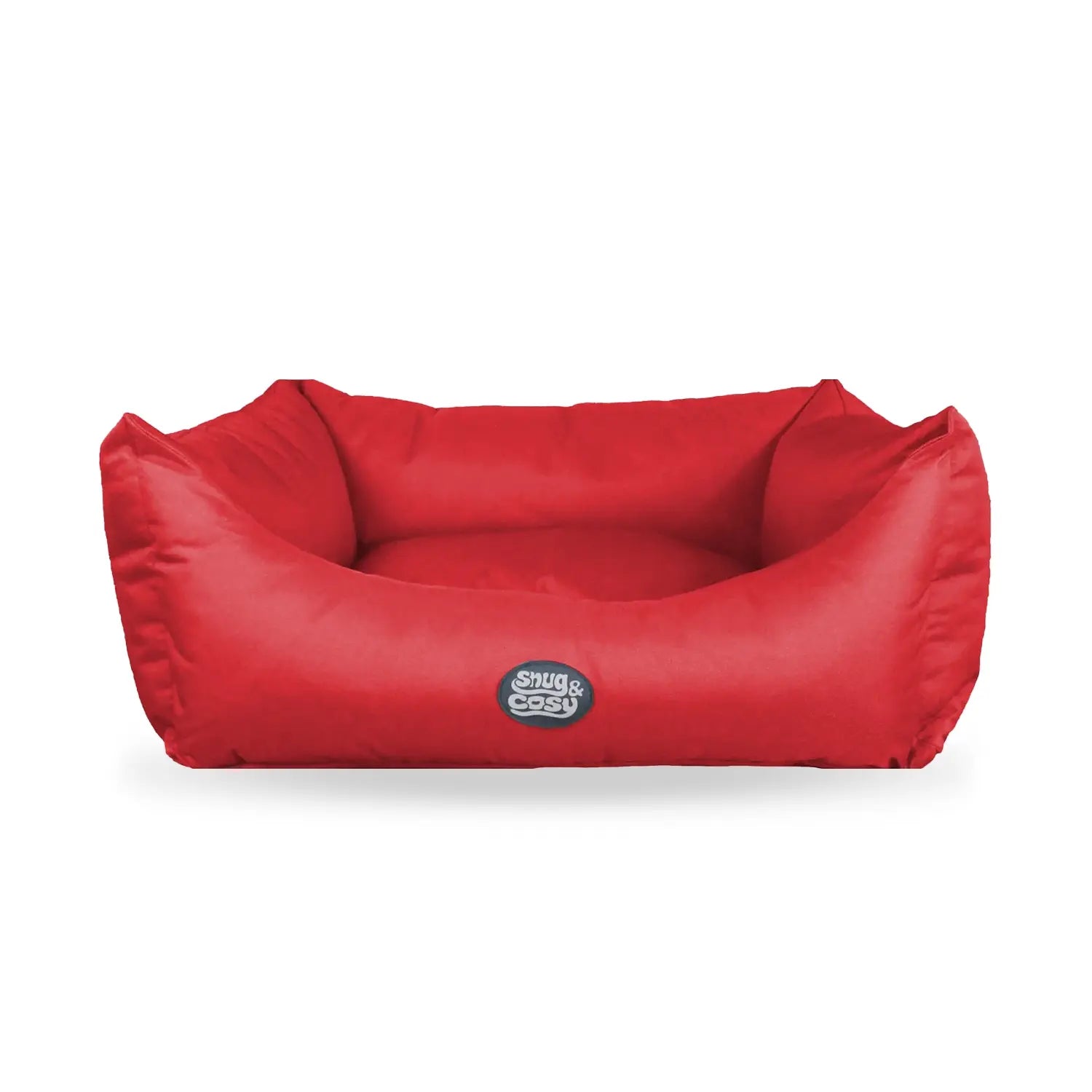
Pescara Waterproof Dog Bed: The Ultimate Chew-Resistant Solution for Your Pet
From £39.99
+ Add to Cart


Crate training is one of the most effective tools in a dog owner's toolkit — when done correctly. Research in canine behaviour consistently shows that dogs are den animals by instinct, and a properly introduced crate becomes a place of safety, not confinement.
Studies in applied animal behaviour science confirm that dogs given a secure, comfortable den space show lower cortisol levels and reduced separation anxiety. The key word is comfortable — a bare plastic tray does not a den make.
A crate mat isn't an accessory — it's a core part of the training environment. Dogs associate comfort with safety. A mat that's too thin causes discomfort and restlessness, undermining your training progress. Look for:
At Snug and Cosy Pets, our crate mats are designed with all four criteria in mind — veterinary-grade comfort in a British-made finish.
Crate training done right creates a dog that's calmer, more confident, and easier to manage. Invest in the process — and invest in the right mat from day one.

