Cart
0
You may also like
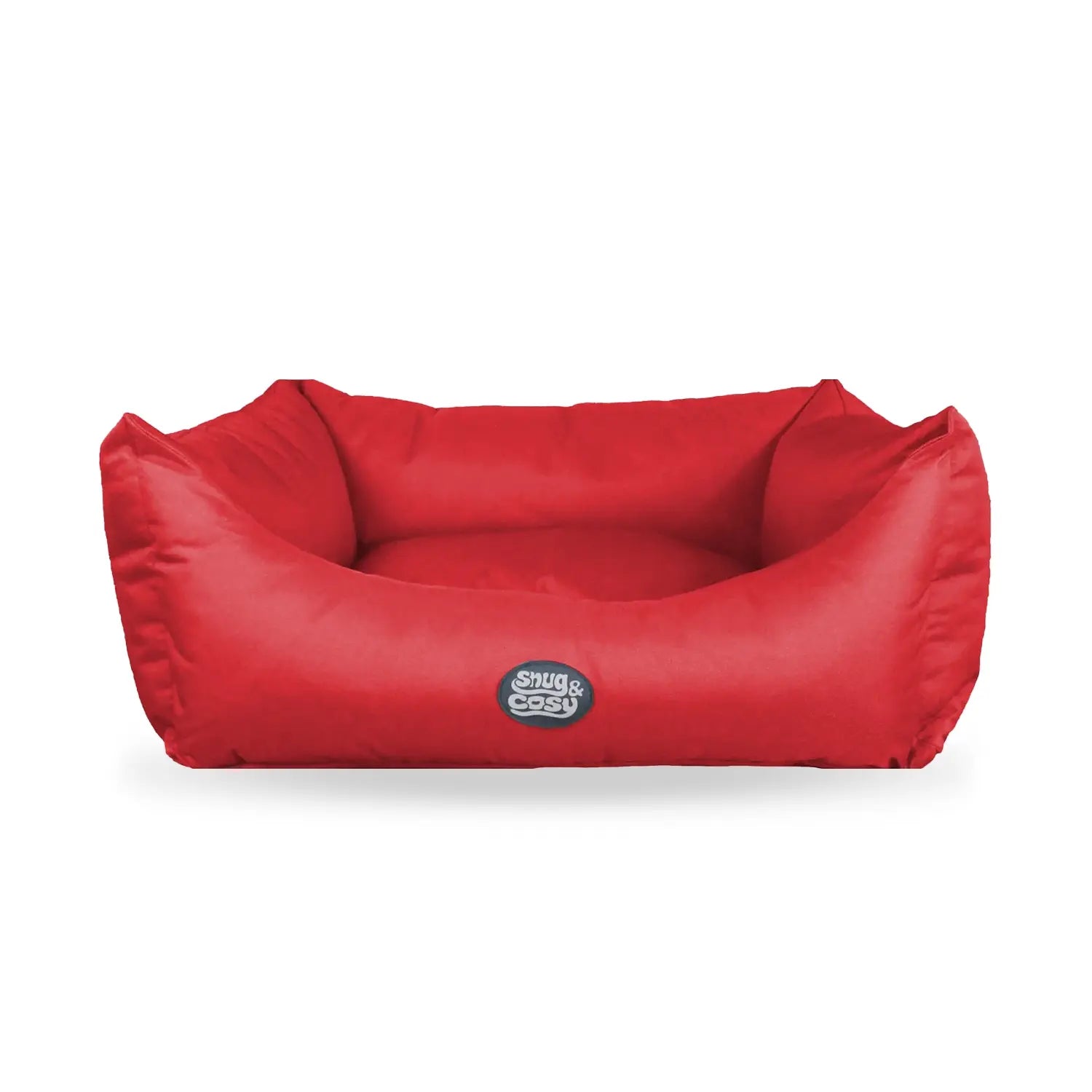
Pescara Waterproof Dog Bed: The Ultimate Chew-Resistant Solution for Your Pet
From £39.99
+ Add to Cart


As temperatures swing between Britain's damp winters and increasingly warm summers, the physiological demands placed on your dog change dramatically. Understanding the science behind canine thermoregulation isn't just interesting — it's essential for responsible pet ownership.
Dogs are homeotherms, meaning they maintain a core body temperature of approximately 38–39°C regardless of external conditions. Unlike humans, dogs have very few sweat glands — located almost exclusively in their paw pads — which makes panting their primary cooling mechanism. In cold conditions, dogs rely on peripheral vasoconstriction (reducing blood flow to extremities) and behavioural adaptations like curling up to conserve heat.
This matters because it means dogs are far more vulnerable to environmental temperature extremes than most owners realise — and their bedding environment plays a direct role in how hard their bodies have to work.
Research published in Veterinary Record identifies several high-risk groups for cold stress in dogs: brachycephalic breeds (French Bulldogs, Pugs), short-coated breeds (Greyhounds, Whippets, Dalmatians), puppies under 12 weeks, senior dogs over 7 years, and dogs with arthritis or joint conditions. For these animals, ambient temperatures below 7°C can trigger physiological stress responses.
Cold weather significantly worsens osteoarthritis in dogs — a condition affecting an estimated 20% of dogs over one year old in the UK (Canine Arthritis Management, 2023). Synovial fluid, which lubricates joints, becomes more viscous in cold temperatures, increasing stiffness and pain. A memory foam crate mat distributes body weight evenly across the sleep surface, reducing pressure on inflamed joints by up to 30% compared to standard polyester-filled beds — a meaningful difference for arthritic dogs.
The R-value (thermal resistance) of a dog's sleeping surface directly affects how much body heat is lost overnight. Hard floors and thin mats conduct heat away from the body rapidly. A high-density memory foam base combined with a fleece-lined cover creates a microclimate around your dog that retains radiated body heat — reducing the metabolic energy your dog expends simply staying warm.
UK summer temperatures have risen by an average of 0.9°C per decade since 1980 (Met Office, 2024), and heatstroke in dogs is now one of the most common warm-weather emergencies seen by UK vets. A landmark 2020 study in Scientific Reports found that 1 in 7 dogs treated for heatstroke in the UK died — making prevention a genuine life-or-death issue.
When ambient temperature exceeds a dog's ability to dissipate heat through panting, core body temperature rises above 40°C — the threshold for heat stress. Above 41.5°C, cellular damage begins in the brain, kidneys, and gastrointestinal tract. Brachycephalic breeds are disproportionately affected due to anatomical restrictions in their upper airways that limit panting efficiency.
Studies in applied animal physiology show that a dog's resting surface temperature significantly affects their ability to offload body heat. Dogs instinctively seek cool, conductive surfaces in summer — which is why they gravitate to tiles and hard floors. A waterproof, wipe-clean mat in a shaded, ventilated area provides a hygienic cool resting surface that's also easy to maintain — critical during shedding season when beds accumulate heat-trapping hair.
Asphalt can reach 52°C on a 25°C day (American Veterinary Medical Association). If you can't hold the back of your hand on the pavement for 5 seconds, it's too hot for your dog's paw pads. Walk before 8am or after 7pm during heatwaves.
Early signs: excessive panting, hypersalivation, brick-red gums, lethargy. Advanced signs: vomiting, diarrhoea, ataxia (loss of coordination), collapse. Action: move to shade immediately, apply room-temperature water to paw pads, groin, and armpits — never ice cold, which causes peripheral vasoconstriction and traps heat. Contact your vet immediately.
The ideal dog bed performs across all seasons — thermally insulating in winter, easy to cool and clean in summer, and supportive enough to protect joints year-round. Key evidence-based criteria:
At Snug and Cosy Pets, every product in our range is designed with these criteria at its core — because your dog's comfort isn't seasonal. It's year-round.

